Should AI Scribes Be Used in Psychotherapy? – Further Reflections
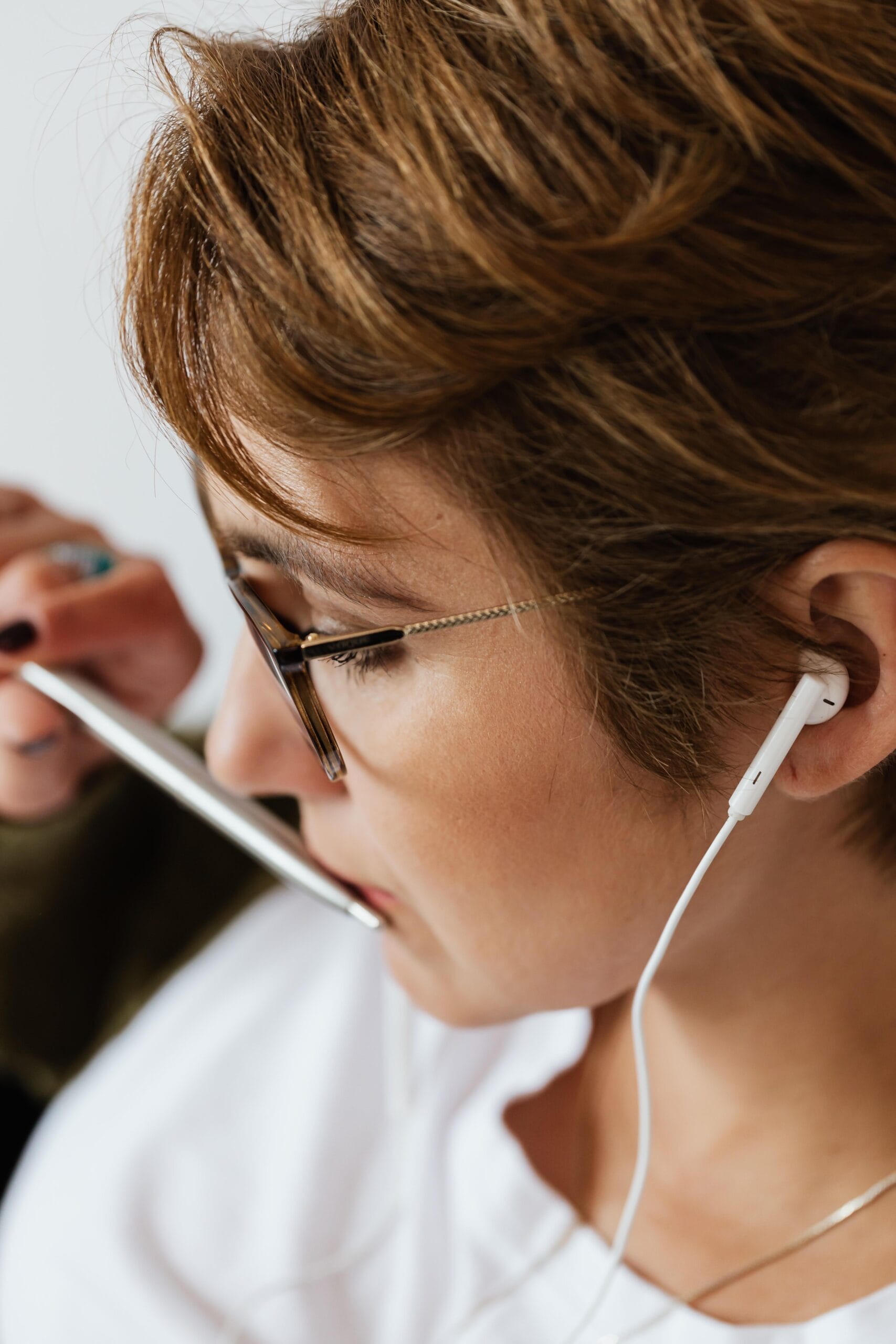
As a clinician who has deep concerns about the use of AI scribes in psychotherapy documentation, I was very pleased to read a recent article published by NPR that further highlights some of these concerns and brings them to the attention of the general public. For those unfamiliar with the topic, there is a growing trend in mental health care whereby clinicians use an artificial intelligence “scribe” that records therapy sessions, generates transcripts, and automatically drafts clinical notes for therapists. While proponents argue that these tools reduce administrative burden and improve efficiency, their use raises important questions about privacy, consent, trust, and the nature of the therapeutic relationship itself.
According to the NPR article, a growing number of therapists are experimenting with AI scribes, and companies promoting these products emphasize the potential time savings and reduced paperwork for clinicians. Some therapists report substantial reductions in documentation time and improved work-life balance.
However, the article also highlights concerns expressed by patients, ethicists, and clinicians. One patient described feeling “violated” after discovering that her therapy session had been recorded despite her discomfort with the technology. She later terminated treatment because the trust she had in her therapist had been damaged.
Medical ethicist Kellie Owens was cited as arguing that HIPAA compliance does not eliminate the possibility of data breaches and cautions that written consent forms alone do not necessarily constitute meaningful informed consent. She argues that recording conversations requires explicit discussion and that patients may not fully appreciate the implications of how their information is collected, processed, stored, or potentially exposed in the future. I would add that because of the nature of the therapeutic relationship, the patient may feel an implicit pressure to sign the consent form – a concern once voiced to me by the mother of an adolescent patient whose therapist requested such consent.
Other clinicians interviewed in the article raise concerns that the mere presence of recording technology may alter the therapeutic experience. Clients may disclose less, edit themselves more carefully, or experience the technology as a third party entering what has traditionally been a private and confidential conversation.
These concerns deserve careful consideration. Psychotherapy differs from many other healthcare interactions. Patients often disclose deeply personal experiences, traumatic memories, fantasies, fears, vulnerabilities, and aspects of themselves they may never have shared with another person. Trust is not merely an ethical consideration in psychotherapy; it is one of the primary vehicles through which treatment occurs.
While some clinicians may determine that recording technologies are appropriate within their own practices, I believe our profession should proceed with considerable caution. Questions of informed consent, confidentiality, psychological safety, data security, and the impact of recording on the therapeutic process remain far from settled.
From the very beginning of the AI revolution, I have argued that recording psychotherapy sessions introduces significant ethical and clinical concerns. At Note Designer, we have taken a clear position: we do not record therapy sessions, we have never recorded therapy sessions, and we have no intention of introducing recording or transcription technologies into our platform. We believe that psychotherapy is fundamentally a private encounter built upon trust between two individuals. Introducing a recording device into that relationship changes the nature of the clinical situation in ways that deserve serious reflection.
Looking for a different approach to AI scribes? Learn about Note Designer’s AI-assisted therapy notes without recording. Prefer to avoid AI altogether? Note Designer Classic offers our original non-AI documentation software.
For readers interested in exploring these issues further, I invite you to read the original NPR article cited below and to review my previous articles on artificial intelligence, clinical documentation, privacy, ethics, and psychotherapy.
Reference:
Johnston, W. (2026, May 26). Therapists are using AI to take notes. Is it a useful tool or a breach of trust? NPR.
Related blog posts: